Introduction
Children aged 6–12 build the foundations of lifelong habits: motor skills, learning strategies, nutrition patterns, and emotional resilience. In Voronezh — with riverfront parks, sports schools, museums and green spaces nearby — parents and educators have great opportunities to combine active recreation with educational programs. This guide gives age-specific tips, sample schedules, nutrition advice, psychological strategies and local suggestions to help children thrive.
Developmental priorities by age
— Ages 6–8 (early school years)
— Focus: gross motor coordination, basic literacy and numeracy, social skills, structured play.
— Recommended: bike riding, basic team games, beginner swimming/gymnastics, story-based learning activities.
— Ages 9–12 (middle childhood)
— Focus: concentration, complex motor skills, independence, peer cooperation, emerging abstract thinking.
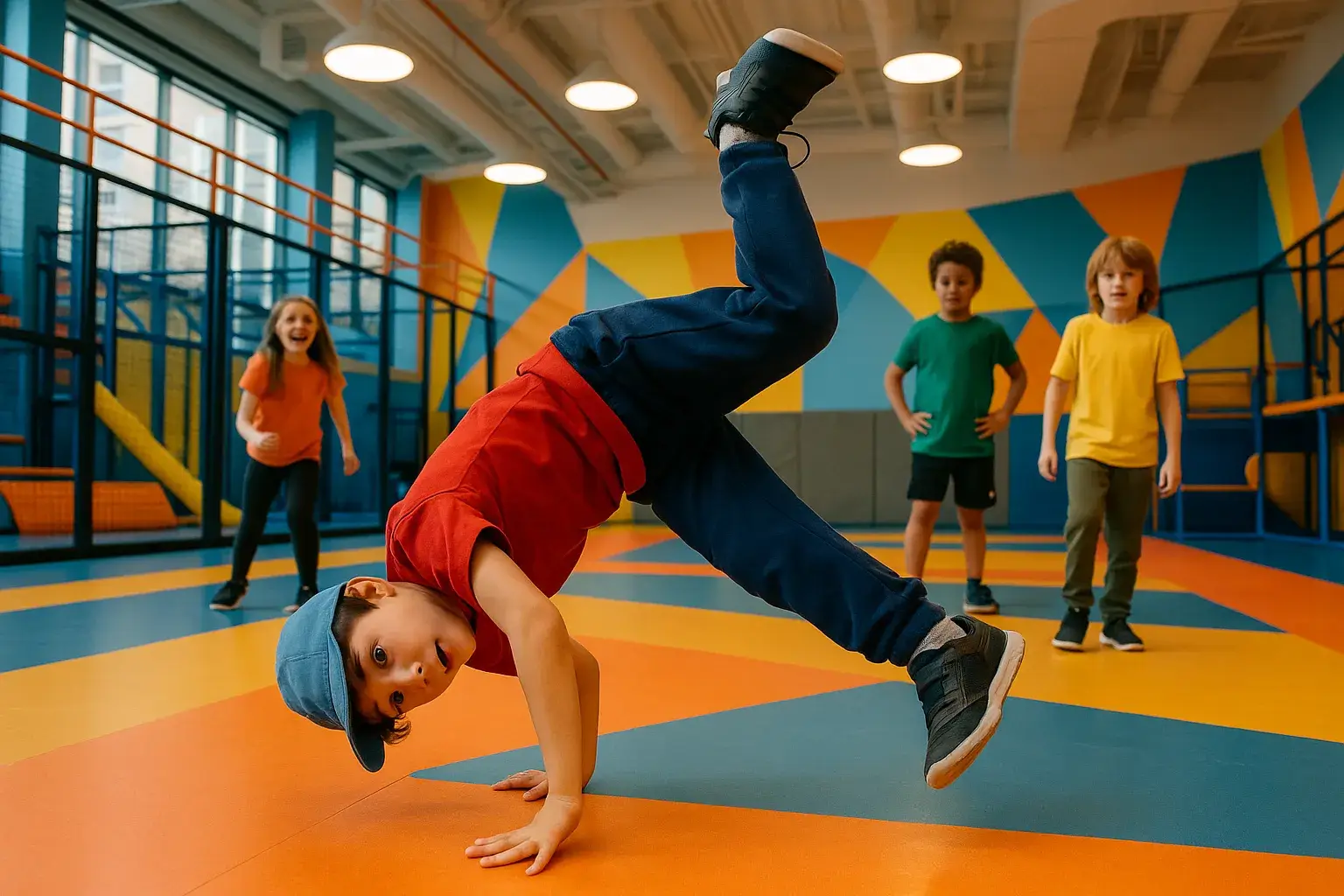
— Recommended: team sports, martial arts, dance, science clubs, project-based learning and leadership tasks.
Active recreation ideas (easy to organize in Voronezh)
— Outdoor play along the riverfront and city parks: scavenger hunts, orienteering, nature sketching.
— Cycling routes and family bike rides (pick traffic-safe paths or local park lanes).
— Team sports: football, basketball or volleyball at schoolyards or sports grounds.
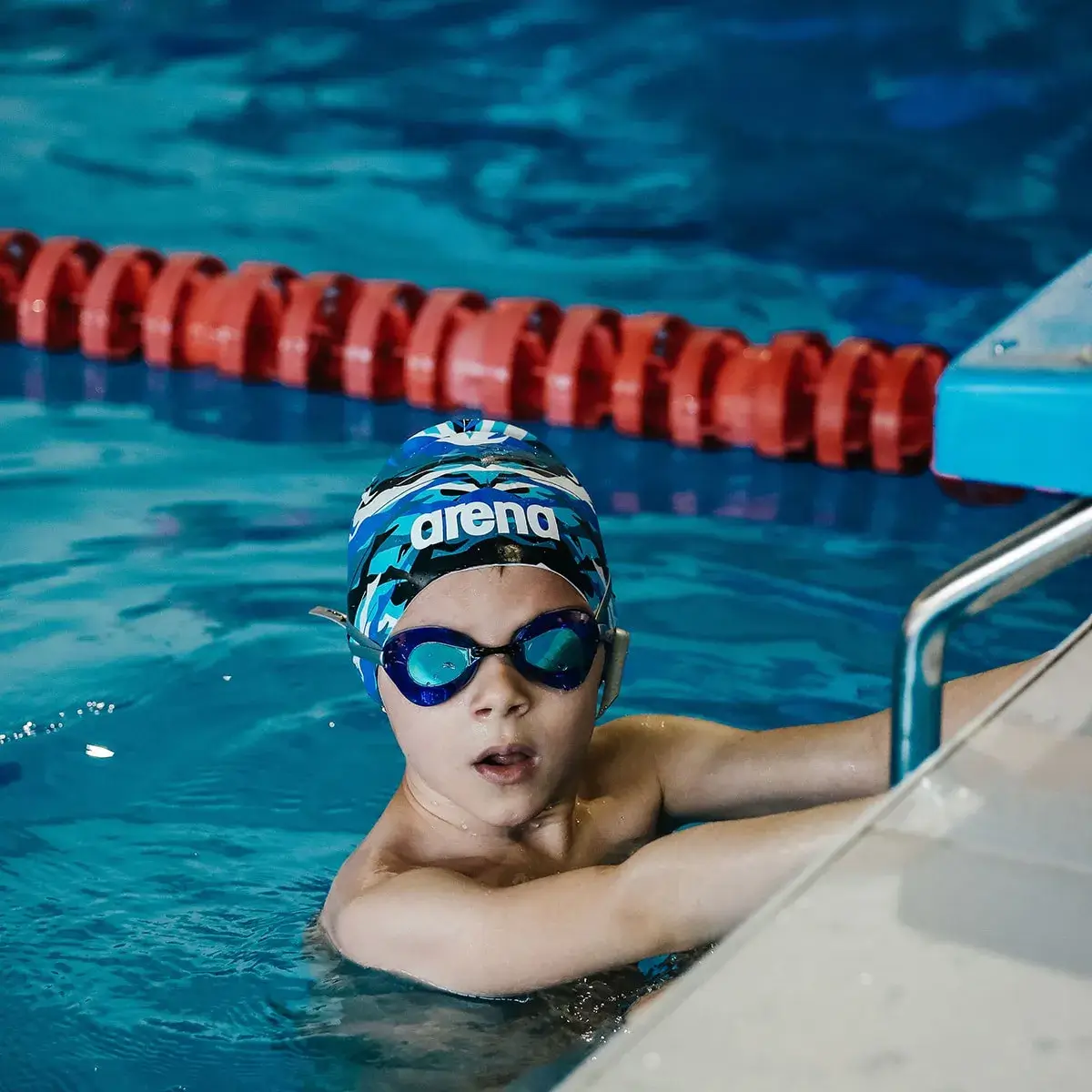
— Swimming lessons at municipal pools or sports schools (important for safety and fitness).
— Martial arts and gymnastics for coordination and self-discipline.
— Winter activities: skating, sledging and supervised snow games — plus indoor alternatives when very cold.
— Family weekend hikes to nearby natural areas or biosphere sites — combine sport with ecology lessons.
Educational programs and where to look locally
— Children’s sports schools (DYuSSh) and municipal sports centers — good for structured training and affordable group classes.
— Libraries and cultural centers — often run reading clubs, creative workshops and language programs.
— Science clubs and planetarium shows — stimulate curiosity and support STEM learning.
— Art and music schools — develop fine motor skills, concentration and self-expression.
— Nature and ecology programs — field trips, biosphere reserve events and seasonal workshops.
— How to choose: look for qualified instructors, trial classes, age-appropriate groups, safe facilities and clear communication with parents.
Physical development: weekly sample (ages 7–11)
— Aim: 60+ minutes of moderate–vigorous activity daily, mixed formats.
— Monday: After-school active commute (walk/bike) + 30 min play (ball games).
— Tuesday: 45–60 min club training (e.g., football or dance) + stretching.
— Wednesday: Family walk and skill game (skipping, hopscotch) — 45 min.
— Thursday: Hobby class (gymnastics/martial arts) or indoor active session.
— Friday: Free play with friends (park) — encourage unstructured physical play.
— Saturday: Weekend excursion (hiking, skating, pool) 60–120 min.
— Sunday: Light activity + creative project (building obstacle course at home).
Nutrition for growing bodies
— Guiding rules:
— Balanced plates: protein (meat, fish, eggs, legumes), complex carbs (buckwheat, whole-grain bread), healthy fats (sunflower/rapeseed oil, nuts in moderation), lots of vegetables and fruit.
— Dairy or alternatives daily (milk, kefir, yoghurt) for calcium and probiotics.
— Hydration: water as main drink; limit sugary juices and sodas.
— Regular meals and healthy snacks: breakfast, mid-morning snack, lunch, afternoon snack, dinner.
— Sample local-friendly ideas:
— Breakfast: kasha (oat or buckwheat) with milk and fruit, or whole-grain bread with cheese and boiled egg.
— Lunch: soup (vegetable or borscht), lean protein (chicken/fish), side of buckwheat or potatoes, salad.
— Snacks: yogurt or kefir, fruit, vegetable sticks with cottage cheese.
— Dinner: fish or stew, vegetables, whole-grain side.
— Special tips:
— Involve children in simple cooking — builds food literacy and willingness to try new foods.
— Use seasonal local produce to teach about nutrition and ecology.
Psychological development & emotional wellbeing
— Support autonomy: let children choose activities, manage small responsibilities (packing a backpack, planning route to a lesson).
— Praise effort and learning process — encourage a growth mindset (“You worked hard on that!”).
— Social skills: coach conflict resolution and team cooperation; create structured opportunities to practice friendships.
— Routine and sleep: ages 6–12 need consistent bedtime; aim for 9–11 hours depending on age and activity level.
— Screen time: set clear limits, use screens for creative or educational content, and balance with physical play.
— When to seek help: persistent mood changes, sleep problems, social withdrawal or falling school performance — consult school psychologist or pediatrician.
Seasonal and safety considerations for Voronezh
— Spring/Summer: exploit parks and riverfront for outdoor learning; protect from sun and insects.
— Autumn: good for