Introduction
Children aged 6–12 are in a rich period of cognitive, social and physical growth. In Voronezh’s continental climate and vibrant community, parents and educators can combine everyday routines, outdoor play and targeted programs to support healthy development. This guide offers practical, evidence-informed ideas for educational activities, physical development, nutrition and psychological wellbeing — with an emphasis on active recreation and local program types you can explore.
Key developmental milestones (ages 6–12)
— Cognitive: increasing ability to reason, plan, read fluently, and handle multi-step tasks. Curiosity for thematic projects (history, science, building) grows.
— Social: peer friendships deepen; team play and rules-based games become central.
— Physical: steady gains in strength, coordination, endurance; fine motor skills refine (writing, drawing, crafts).
— Emotional: growing self-awareness, desire for autonomy, sensitivity to praise and criticism.
Educational activities to boost learning
— Project-based learning: month-long mini-projects (e.g., “Voronezh in history,” simple ecology study of a local park, build a model bridge) teach research, planning and presentation.
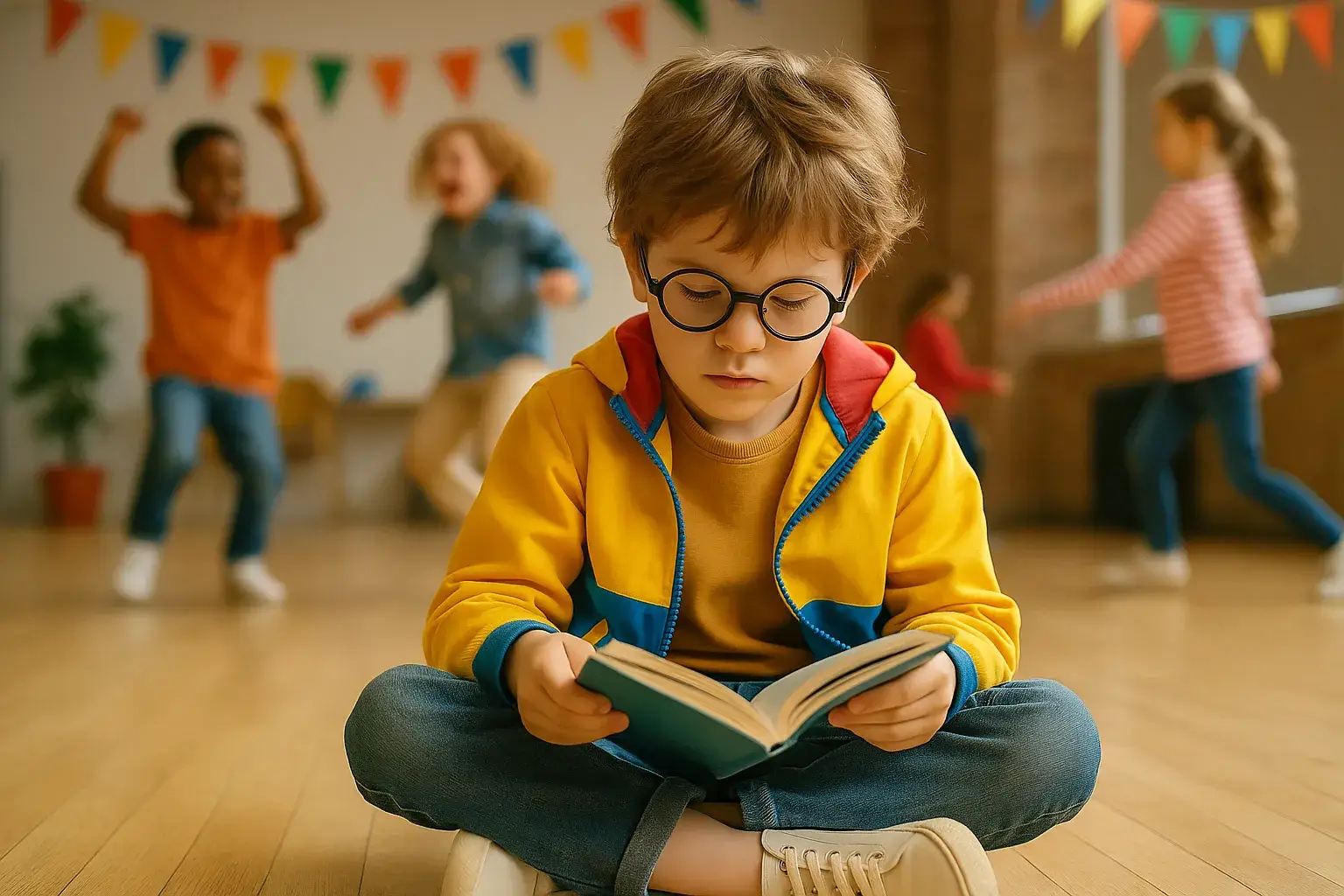
— Reading routine: daily 20–40 minutes of mixed reading (fiction + nonfiction). Encourage local library visits or book swaps.
— STEM at home: simple experiments, kitchen chemistry, Lego/robotics kits, coding apps appropriate for ages.
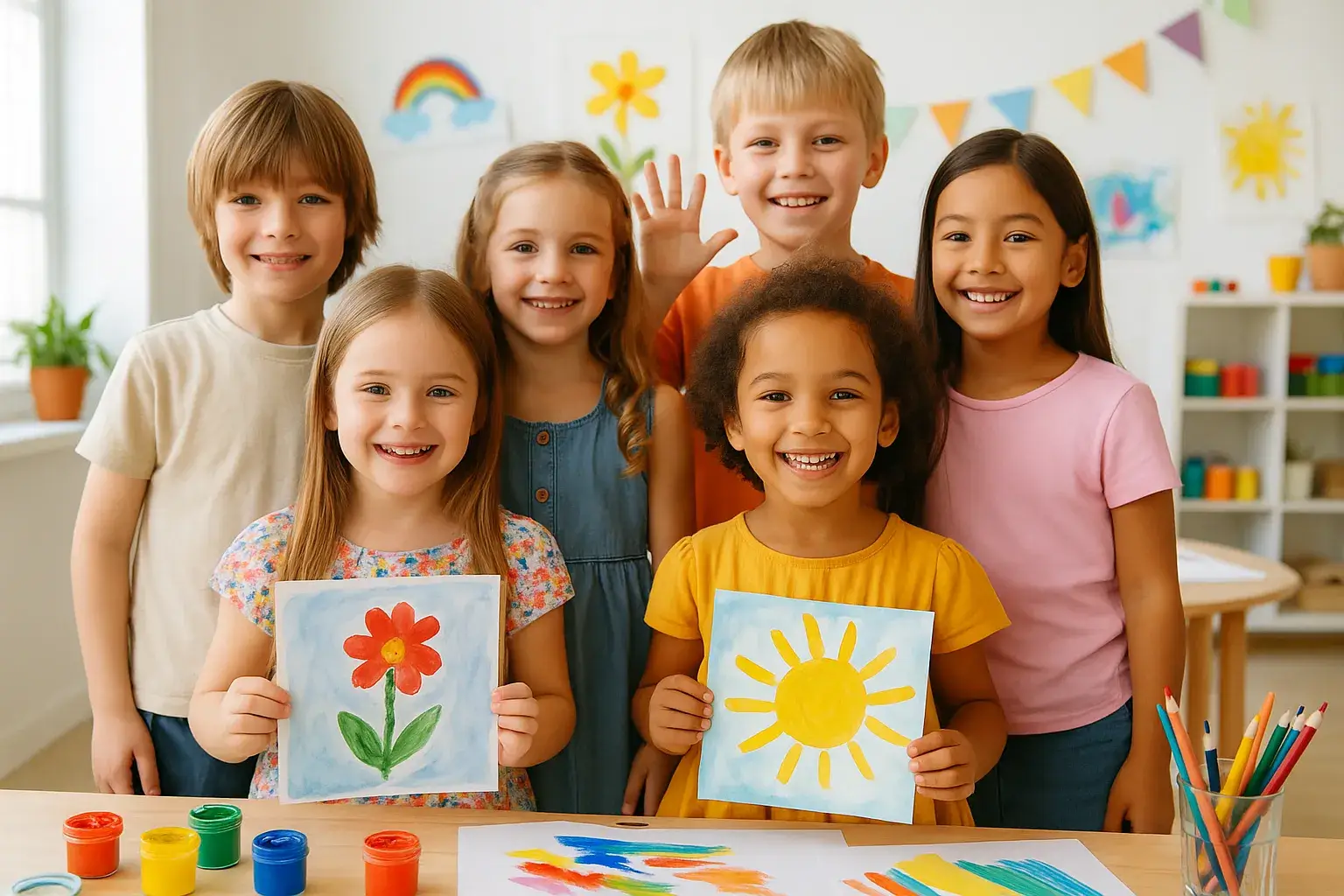
— Hands-on arts and crafts: theater, music, drawing — supports fine motor and creative thinking.
— Game-based learning: chess, strategy board games, math games — promote logic and patience.
— Language exposure: short daily sessions for a foreign language (10–20 minutes) via games, songs, or conversation groups.
Physical development & active recreation (practical tips)
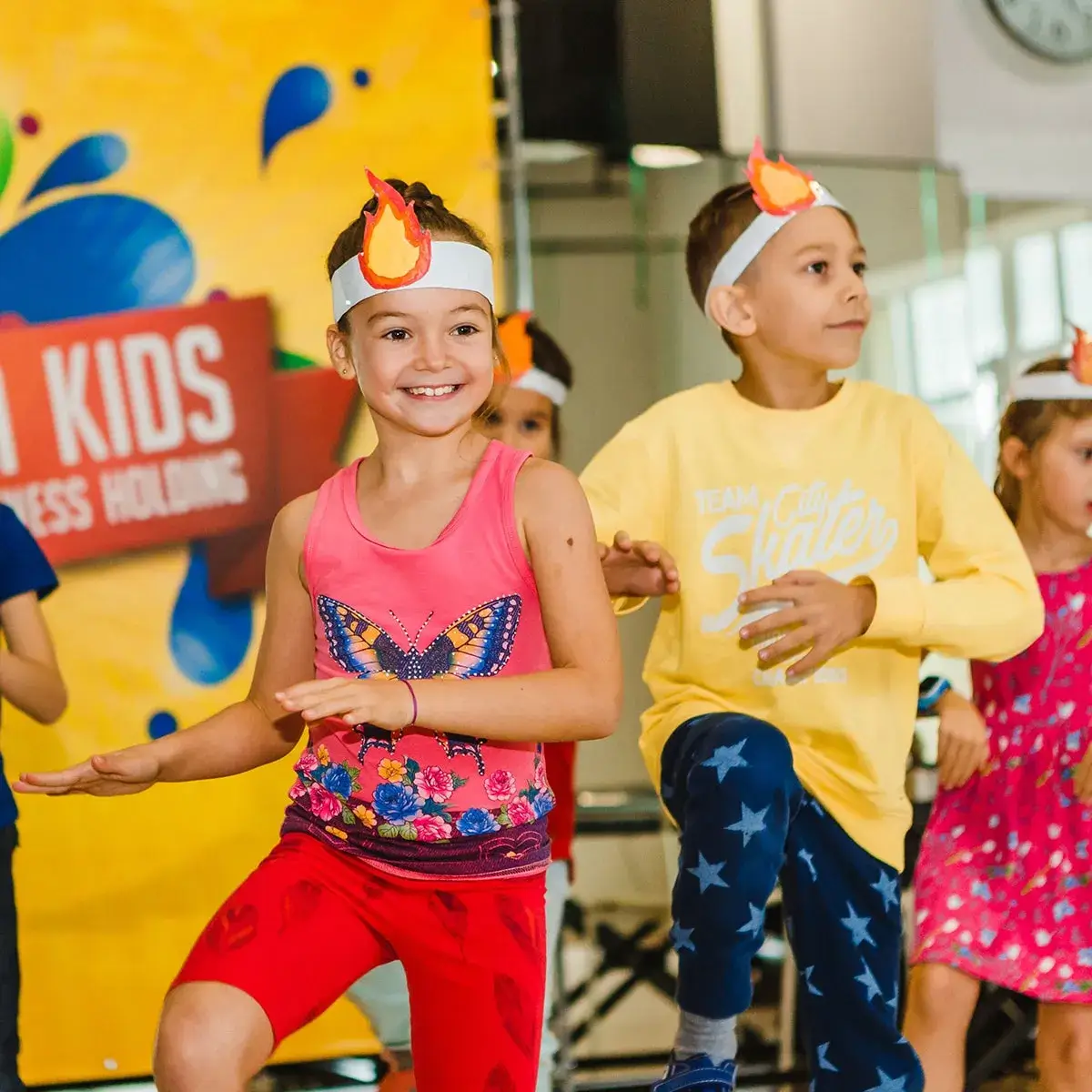
— Daily target: aim for at least 60 minutes of moderate-to-vigorous activity (running, cycling, team sports) as recommended for school-age children.
— Mix of activities:
— Aerobic: running, cycling, jump rope, skating.
— Strength/flexibility: gymnastics, climbing, playground circuits, bodyweight exercises.
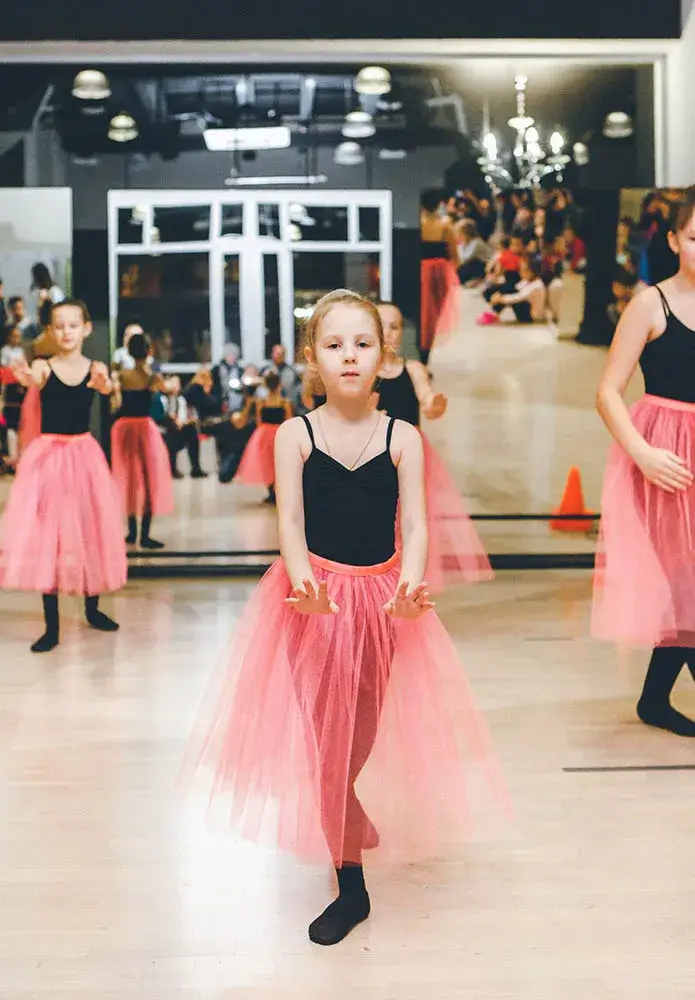
— Skills/sports: soccer, basketball, swimming, martial arts, dance.
— Seasonal ideas suitable for Voronezh:
— Winter: skating, skiing, sledding (dress in layers; supervise on ice), indoor sports halls for futsal or gymnastics.
— Spring/Autumn: cycling, orienteering, nature walks in local parks to study flora and fauna.
— Summer: day camps, organized sports, supervised river bank exploration (observe water-safety rules).
— Active commute: walk or bike to school where possible — builds stamina and independence.
— Family active time: weekend hikes, bike rides, or backyard obstacle courses strengthen bonds and model healthy behavior.
Nutrition: building blocks for growth and learning
— Basic principles:
— Balanced meals with carbohydrates (whole grains), protein (meat, fish, eggs, dairy, legumes), healthy fats, fruits and vegetables.
— Regular meal schedule: breakfast, lunch, dinner + 1–2 healthy snacks.
— Hydration: water as the primary drink; limit sweetened beverages.
— Local, practical menu ideas:
— Breakfast: kasha (porridge) with milk and fruit; whole-grain bread with cottage cheese; omelette with vegetables.
— Lunch: soup (light broth-based with vegetables), pieces of lean meat or fish, buckwheat/pasta, salad or cooked veggies.
— Snack: plain yogurt with berries, a piece of fruit, vegetable sticks with hummus, rye crispbread with cheese.
— Dinner: baked fish/chicken, mixed veg, potato or grains.
— Encourage mindful eating: family meals, small portions with the opportunity for seconds, avoid forcing food.
— Food safety and allergies: know emergency steps for severe reactions; consult a pediatrician for tailored guidance.
Psychology & socio-emotional development
— Emotional literacy: help children name feelings and practice coping strategies (deep breaths, taking a break, talking it out).
— Autonomy and responsibility: give age-appropriate chores and choices (school bag packing, planning a weekend activity).
— Growth mindset: praise effort and strategies rather than innate ability — “You worked hard on that problem” vs “You’re so smart.”
— Social skills practice: guided play dates, team sports, and small group projects to learn cooperation, conflict resolution and empathy.
— Screen time: set consistent limits for recreational screens (about 1–2 hours/day depending on the child and family needs), prioritize active and educational content, and co-view when possible.
— When to seek help: persistent changes in mood, sleep, appetite, school performance or social withdrawal — consult the child’s teacher, pediatrician or a child psychologist.
Educational programs and community options in Voronezh (how to choose and what to look for)
Types of programs to consider:
— Sports clubs: swimming, soccer, skating, gymnastics — good for endurance and teamwork.
— Arts & culture: music schools, theater studios, visual arts workshops.
— Science & technical: robotics, coding, naturalist clubs, planetarium programs.
— Language centers: conversational clubs, bilingual camps, theatre-in-language.
— Day and seasonal camps: structured active and educational programs during school breaks.
How to choose a program:
— Credentials and safety: qualified instructors, clear child-safety policies, group size and first-aid readiness.
— Trial classes: many centers offer a trial — observe the teaching style and child’s reaction.
— Balance and schedule fit: avoid overloading; rotate activities by season.
— Local sources to find programs: municipal cultural centers, school extracurricular lists, parent communities (online groups), and municipal youth services.