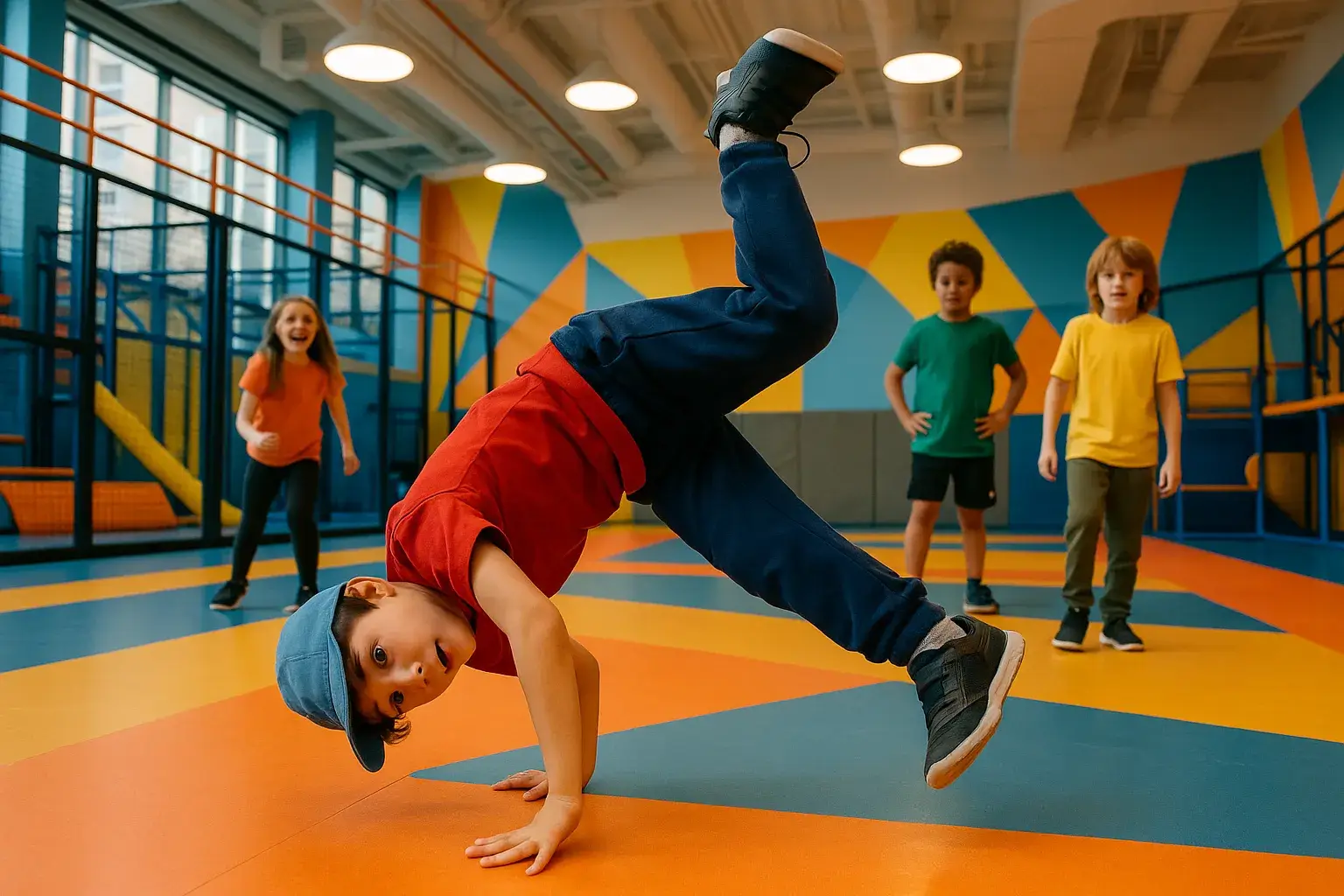
Why ages 6–12 matter
Ages 6–12 are a window of rapid growth: children consolidate reading and math skills, expand social worlds, refine motor abilities, and form habits that last a lifetime. In Voronezh’s climate and urban environment — with cold winters, warm summers, riverside parks and nearby forests — parents and educators can plan year‑round programs that blend active recreation, structured learning, and emotional support.
Core principles for development
— *Balance learning and play.* Cognitive skills grow best when combined with hands‑on activities and free outdoor play.
— *Move every day.* Physical activity supports brain development, mood and sleep.
— *Fuel growth thoughtfully.* Simple, varied nutrition prevents energy dips and supports concentration.
— *Nurture social and emotional skills.* Empathy, self‑control and cooperation are as important as academics.
— *Be consistent but flexible.* Routines comfort children, while variety keeps them engaged.
Educational activities (practical ideas)
— Reading routines: 20–30 minutes daily, mix fiction, non‑fiction, local history, and comics. Use book projects (draw a map, reenact a scene).
— Project learning: small research projects (animal, inventor, river ecosystem), with a poster or short presentation to family.
— STEAM at home: simple experiments (volcano, circuits, building bridges from skewers), coding apps for kids, or LEGO robotics.
— Creative arts: weekly drawing, theater games, or music lessons — rotate media to discover strengths.
— Community learning: museum scavenger hunts, library reading clubs, and history walks along local landmarks.
Physical development (age‑appropriate guidance)
— Focus by age group:
— 6–8: develop coordination—jumping, catching, basic gymnastics, cycling.
— 9–12: build endurance and skill—team sports, swimming, martial arts, dance.
— Activity targets: at least 60 minutes of moderate-to-vigorous activity daily, split across play, sports, PE and active transport (walk/bike to school where safe).
— Active play ideas for Voronezh seasons:
— Spring/summer: riverbank exploration, cycling, frisbee, orienteering in parks.
— Autumn: forest walks, leaf‑collection nature projects.
— Winter: skating, sledging, structured ski or skating lessons if available.
— Safety: helmets, weather‑appropriate clothing, warm‑up/cool‑down, hydration.
Nutrition for growing bodies
— Use the plate rule: half vegetables/fruits, one quarter lean protein, one quarter whole grains, plus dairy or plant alternatives.
— Local, seasonal choices: root vegetables, cabbage, apples in autumn; fresh produce in summer markets. Warm porridges and soups in winter.
— Healthy snacks: yogurt with fruit, cottage cheese (tvorog) with honey, vegetable sticks, nuts (age‑appropriate/checked for allergies).
— Meal rhythm: regular breakfast (important for concentration), balanced lunch, light snack before activity, family dinner.
— Avoid: long fasts, excessive sugary drinks, large portions of processed snacks.
Psychology and emotional skills
— Emotion coaching: name feelings, validate, then guide problem‑solving (“I see you’re upset. What helped before?”).
— Social skills practice: turn-taking games, small-group projects, conflict‑resolution role plays.
— Autonomy and responsibility: age‑appropriate chores, packing a sports bag, planning a weekend mini‑project.
— Screen time: set predictable limits; prioritize active, social and creative screen use over passive consumption.
— Signs to watch for: persistent withdrawal, sleep changes, academic decline — consult teachers or a pediatric psychologist if concerns persist.
Active recreation & educational programs in Voronezh (how to choose)
Look for programs that combine movement, learning, and social interaction. Typical local providers:
— Municipal youth sports schools (ДЮСШ) and palaces of children’s creativity (Дворец творчества) for sports, arts and clubs.
— Public libraries and regional museums for reading clubs, science events and hands‑on workshops.
— Outdoor clubs and summer camps offering nature education, orienteering and team games.
— University outreach programs and private studios for specialized classes (robotics, languages, music).
How to choose:
— Check staff qualifications and child‑to‑adult ratio.
— Prefer programs with clear safety rules and contingency plans.
— Ask for trial sessions and parent feedback from other families.
Sample weekly routine (school week)
— Monday: School + 30 min reading; evening family dinner and calm board game.
— Tuesday: School + 60 min team sport or swimming; short creative homework.
— Wednesday: School + science/robotics club; outdoor walk with nature observation.
— Thursday: School + music/art lesson; 20–30 min independent reading.
— Friday: School + active free play or skate session; family conversation about week.
— Weekend: One longer outdoor excursion (park, riverbank